
Steel Siding & Hand Hewn Log Siding in Colorado
Steel Siding in Colorado
Steel siding in Colorado has to deal with two threats that most states face separately. In December 2021, the Marshall Fire burned through Louisville and Superior in Boulder County and destroyed nearly 1,100 homes in residential subdivisions, not remote mountain cabins. Suburbs. They burned because the materials those homes were covered in gave the fire something to catch. The 2017 Denver hailstorm caused $2.3 billion in insured damage, the most expensive single hail event in US history at that time. Colorado doesn't give homeowners the option of choosing which risk to worry about.
The material that handles both is 26-gauge steel. Class 4 is the highest impact rating for exterior siding, and it's what Colorado insurance companies recognize for premium discounts on hail exposure. A Class A fire rating means a steel panel won't catch fire from flying embers. No trade-off between them.
Home insurance rates in Colorado have gone up 65 percent over five years. That reflects what insurance companies know about hail and wildfire risk here, and it has real consequences for homeowners looking at siding decisions. Class 4-rated siding can lower your premium in high-hail zip codes. Near wildfire zones, siding with a Class A fire rating is increasingly required by builders and buyers. Steel siding qualifies for both.
Colorado's altitude adds a third condition that most hail and wildfire conversations skip: temperature swings. Summer highs along the Front Range run into the upper 80s. January averages 15 degrees statewide. Mountain communities hit single digits regularly, and daily swings of 40 degrees in spring and fall are common above 7,000 feet, especially on exposed slopes facing west. Vinyl expands and contracts unevenly at those ranges. Fiber cement absorbs moisture during the swing and cracks. Steel expands and contracts the same predictable amount every time, so panels don't pull loose or open at the seams.
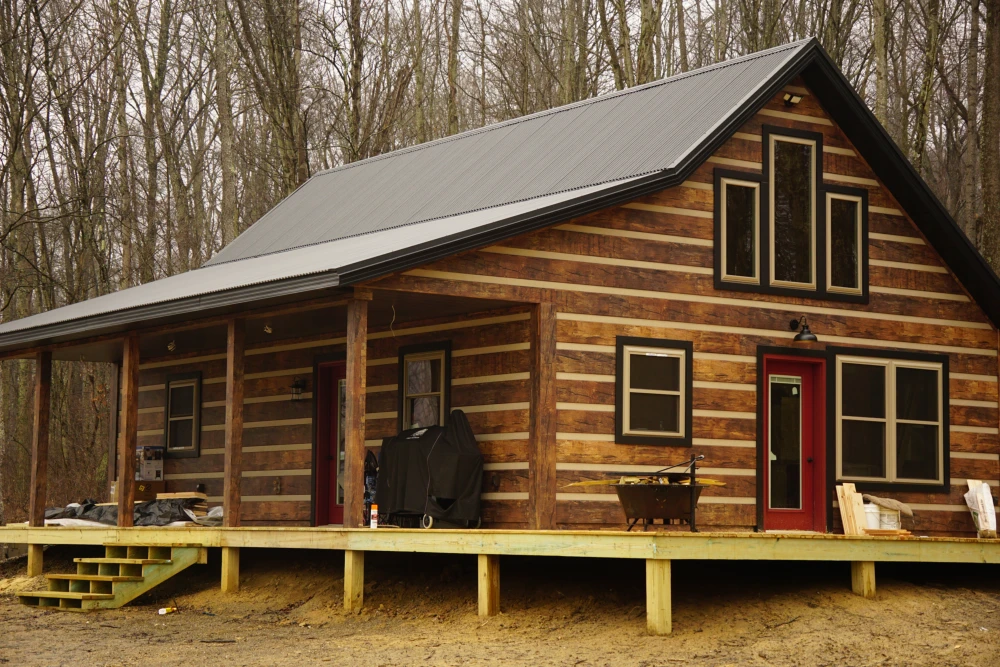
Mountain communities have a fourth requirement that the Front Range doesn't. Log and timber is the standard look. Aspen, Vail, Telluride, and Steamboat Springs built their residential identity around that profile, and the communities around them hold new construction to the same standard. Wood grain siding in the SteeLuxe steel line matches that profile without the fire risk. Some HOAs in these towns require the log profile, and fire codes are getting stricter about combustible siding at the same time.
Colorado doesn't have one dominant siding condition. It has four, each concentrated in a different part of the state. The Eastern Plains, the Front Range, the mountain resort corridor, and the Colorado Springs wildfire interface each tell a different story about why steel makes sense, and this page covers all of them.
The Most Advanced Steel Siding On The Market
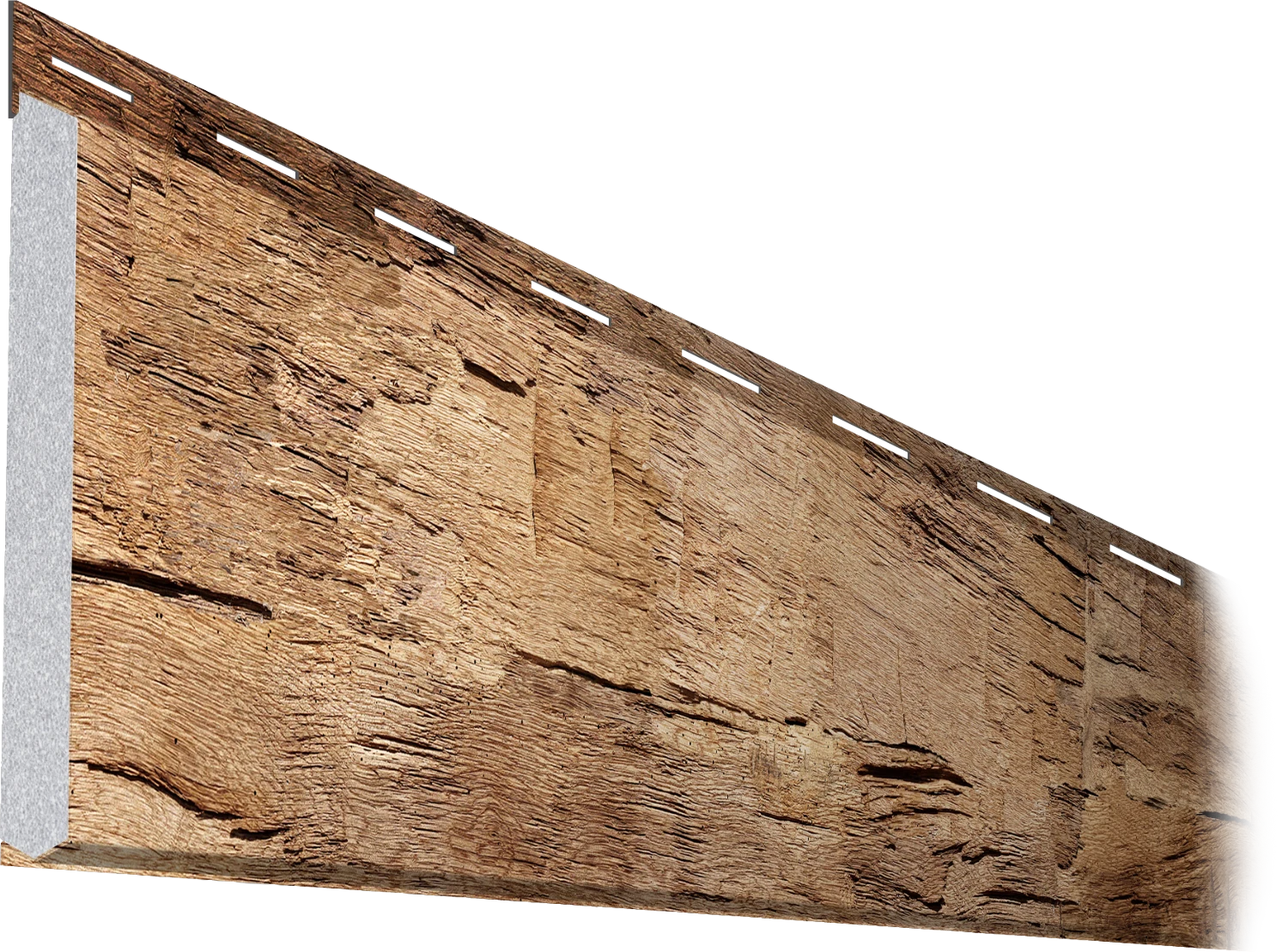
- 20 Year Fading & Chalking Warranty
- 50 Year Flaking & Peeling Warranty
- Lasts 40-60+ Years
- One Person Installation
Climate & Conditions Across Colorado
The Eastern Plains
Colorado's geography creates four distinct climate zones, and what makes sense for a home in Greeley is a different conversation than what makes sense in Telluride. East of the Front Range, the terrain flattens and the sky opens up. The corridor from Fort Morgan through Greeley, Sterling, and Lamar is one of the highest hail frequency areas in the country. Thunderstorms build over the Rockies, track east, and drop hailstones across the Eastern Plains more consistently than anywhere else in Colorado. Wildfire risk here is low. Out here the main reason people choose steel siding is hail, and the area gets hammered from May through September, which makes Class 4-rated steel the right call.
The Front Range
Denver, Boulder, Fort Collins, and the communities between them make up Colorado's largest residential market. More things can damage your siding here. Hail comes east off the mountains and hits this corridor regularly. The foothills to the west carry very high wildfire ratings, and the Marshall Fire showed that suburban neighborhoods can burn when wind-driven embers travel far enough.
Front Range homeowners are now getting two different questions from their insurance companies. Class 4-rated siding can lower your premium in zip codes that get hit by hail regularly, and near wildfire zones, siding with a Class A fire rating is what builders and buyers are now asking for. Steel siding at both ratings handles hail and fire at once, and that combination is hard to find. The Waldo Canyon Fire in 2012 and the Black Forest Fire in 2013 both burned into residential Colorado Springs neighborhoods, and non-combustible siding went from optional to expected during the rebuild.
Colorado Springs and the Palmer Divide
Hail is also active along the Palmer Divide. Termites are present through the Colorado Springs suburbs at moderate to heavy levels, covering much of the same corridor that saw the worst wildfire damage in 2012 and 2013. Steel gives termites nothing to eat and won't catch fire, and both hold for the full life of the installation.
Mountain Resort Communities
Above 7,000 feet, January lows in resort towns like Steamboat Springs, Telluride, and Vail run well below zero. Spring and fall bring 40-degree swings in a day. That back-and-forth is hard on siding because it happens constantly all season, stressing joints and fasteners in ways that build up damage over years in materials not built to handle it.
Need help finding an installer?
Why Steel Siding Is Right for Colorado
Wildfire risk in Colorado's mountain communities is very high. Steel gives mountain homeowners what they need: enough insulation for altitude cold, a Class A fire rating for wildfire-risk areas, and wood grain panels that match the construction standard these communities are built around. Four conditions drive the siding decision across the state: cold, hail, wildfire, and termites. Here's what each one means and why 26-gauge steel is the only material that handles all of them in the same panel.
Class 4 is the hail answer, and it's the highest impact rating available for exterior siding, the ceiling of the IBHS classification system that runs from Class 1 to Class 4. A panel at that rating takes a two-inch steel ball dropped from 20 feet without cracking, splitting, or chipping. Colorado averages 400 hailstorm events per year, and the 2017 Denver storm dropped hailstones over two inches in diameter across multiple zip codes and caused $2.3 billion in damage. In some of Colorado's most hail-active zip codes, Class 4 is now required rather than optional.
Class A is the wildfire answer, and it means the panel won't ignite from flying embers, won't spread flame, and won't fail the way vinyl and wood did in the Marshall Fire when wind-driven embers hit suburban neighborhoods. For homeowners in or near wildfire-risk areas on the Front Range and in the mountains, Class A siding is increasingly what's required, not what's optional.
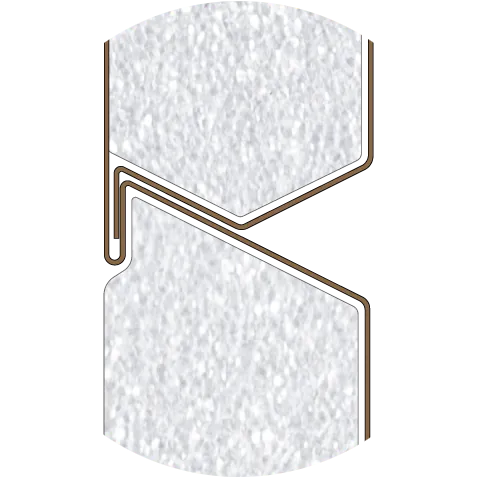
The 26-gauge thickness matters in Colorado because the temperature swings are extreme. Thicker steel holds its shape better through those swings. Steel at that gauge holds its shape and size from mountain single-digit lows to Front Range upper-80s summers. The EPS foam core adds R-3.57 insulation, which makes a real difference in mountain homes where the altitude increases both heat loss and solar gain.
Termites are also part of the Colorado picture. Front Range termite pressure is moderate to heavy, and steel gives them nothing to work with across the full 40 to 60 year life of the panel. No wood, no food source, no moisture for a colony to use near the foundation. That's true on day one and still true 40 years later.
Product Specifications
| Spec | Value |
|---|---|
| Gauge | 26-gauge steel (~25% thicker than 29-gauge) |
| Core | EPS foam, R-3.57 continuous insulation value |
| Fire Rating | Class A (highest available) |
| Impact Rating | Class 4 (highest available) |
| Colors | 50 solid colors (Sherwin Williams WeatherXL) |
| Wood Grain | 22 patterns (Kynar 500 resin) |
| Log Profile | Hand hewn log siding with chinking — 4 chinking colors |
| Warranty | 50-year peeling/flaking | 20-year fade/chalk |
| Panel | 10-inch planks, Slide-Lock system, one-person install |
| Base Coat | AZ55 Galvalume (zinc-aluminum alloy corrosion barrier) |
| Origin | New Philadelphia, Ohio — direct ship to all 49 states |
Hand Hewn Log Siding with Chinking in Colorado
Colorado's mountain resort corridor holds new builds to a log and timber look that most markets don't enforce. Aspen, Vail, Telluride, and Steamboat Springs built their residential identity around that look, and the communities around them expect new construction to match it. In these markets, the log profile isn't optional. It's what builders and buyers are expected to deliver.
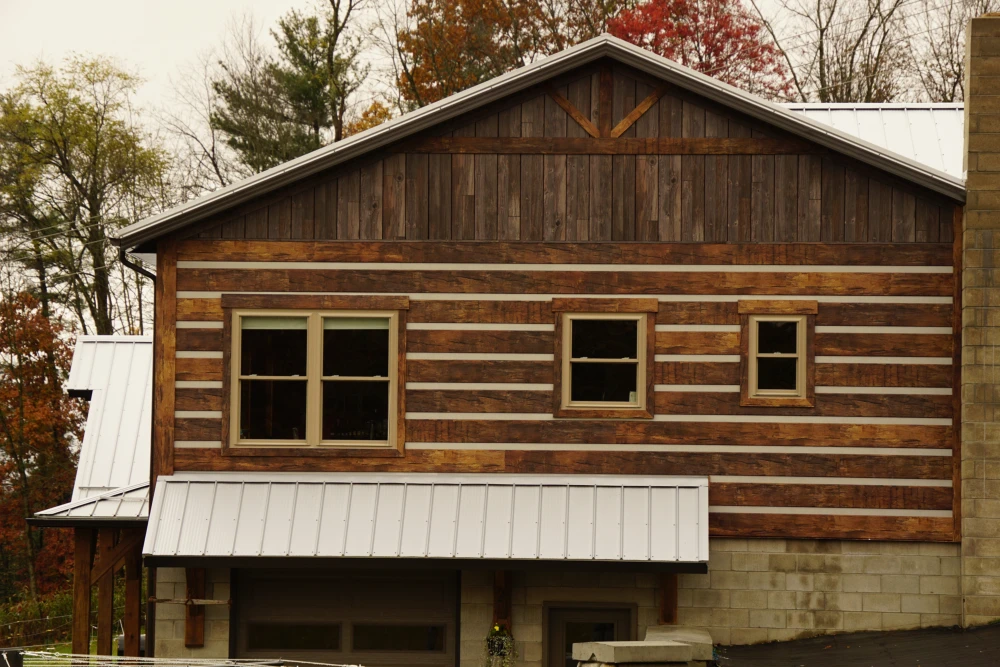
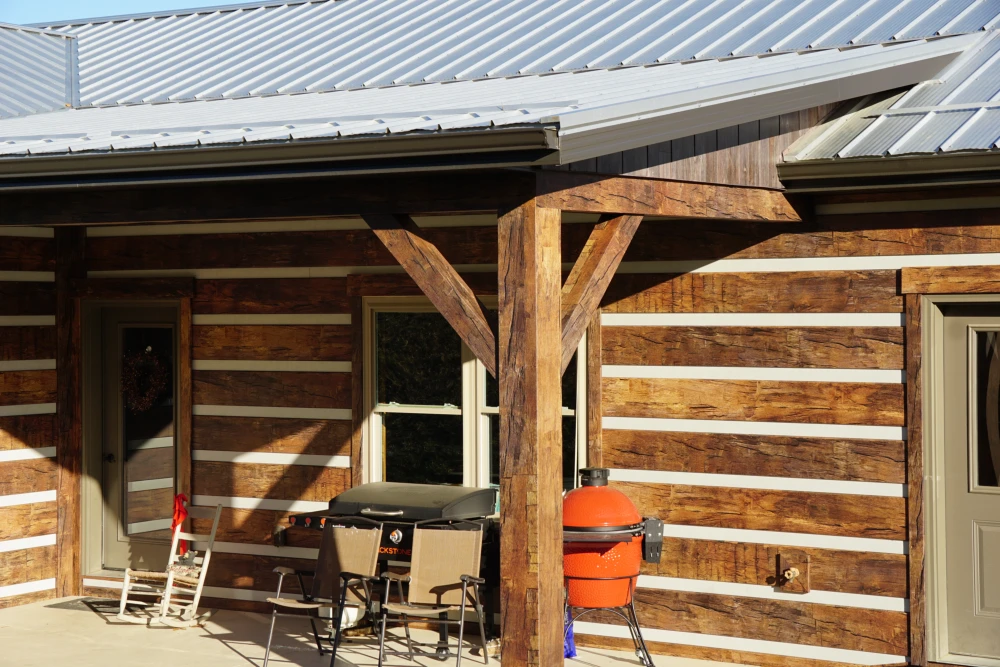
Hand hewn log siding with chinking in 26-gauge steel delivers that profile. It's the only steel product that does. The hand hewn texture looks like real milled log siding. Chinking comes in four colors: Ash Gray, Charcoal, Clay, and Sandstone Tan. From the street, it reads like a traditional log home with mortar-filled joints, and the steel behind it carries a Class A fire rating that no wood log siding product can match.
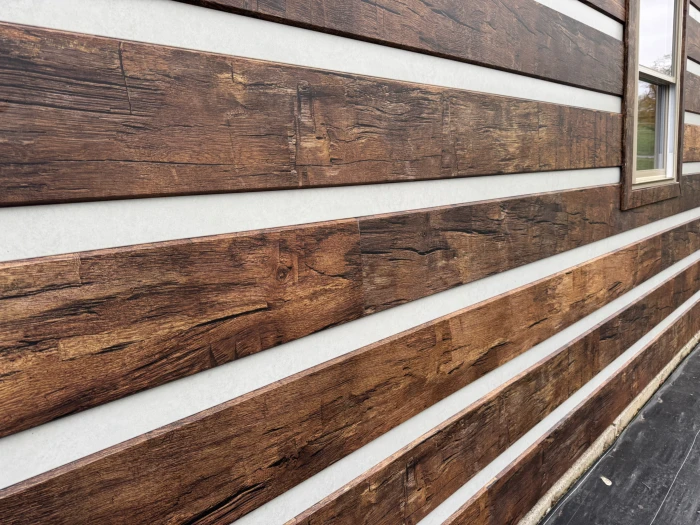
That fire rating matters most in Colorado. Large parts of the residential land in Steamboat Springs, the Roaring Fork Valley, and the mountain communities above Colorado Springs are in wildfire-risk areas, where HOAs require the log look and fire codes are pushing toward non-combustible siding. Hand hewn log siding with chinking in steel handles both the aesthetic requirement and the fire code at once. Wood carries no Class A rating, and no other steel siding manufacturer makes this panel.
SteeLuxe manufactures hand hewn log siding with chinking in New Philadelphia, Ohio and ships direct to Colorado with short lead times. It's available across all 22 wood grain patterns in the SteeLuxe line, covering tones from weathered gray to warm cedar brown that mountain resort construction requires.
Ready to Transform Your Home With Hand-Hewn Log Cabin Siding?
Get the authentic hand-hewn cabin look with the chinking detail you love, and never think about maintenance again. SteeLuxe steel siding is insulated, fire-rated, hail-resistant, and built to last a lifetime. See it and feel it for yourself.
Steel Siding vs the Alternatives in Colorado
Colorado is harder on siding than most states, and each major material has a specific failure point here. Vinyl has two problems: cold combined with hail, and fire. On the cold and hail side, below 20 degrees vinyl goes brittle, and a hailstorm that shows up in October or November hits panels that are already stiff and cracks them instead of compressing into the panel the way warmer vinyl would. Colorado's hail season doesn't stop when the weather cools.
The second vinyl problem is fire. Vinyl has no fire rating, melts in direct flame, and in a wildfire it becomes fuel instead of a barrier, which makes the situation actively worse instead of just failing. Colorado's 65 percent insurance rate increase over five years is insurance companies pricing both risks. They're setting premiums based on whether a home has Class A siding or vinyl, and those are different numbers.
Fiber cement handles hail better than vinyl, but it still cracks under the kind of hail Colorado regularly produces, with panels cracking along edges and face surfaces in ways that need full panel replacement, not just an inspection. The 2017 Denver storm dropped hailstones over two inches in diameter, and that's exactly the size that chips and fractures fiber cement. Moisture is fiber cement's second problem in Colorado. The material absorbs water, and the freeze-thaw cycles that come with Colorado's altitude repeat that cycle dozens of times per winter in the mountains, eventually causing panels to separate and fall apart.
Wood siding catches fire, and in any Colorado community that sits inside a wildfire-risk zone that single fact ends the conversation before anything else about wood's performance even comes up. Beyond fire, Colorado's UV intensity at altitude runs about 25 percent higher than at sea level, so wood siding degrades faster here and needs more frequent staining and sealing. Termites are also active on the Front Range and give wood exactly what they need: food and moisture. Wood needs maintenance every year of its life. Steel doesn't.
Frequently Asked Questions
Q:How long does SteeLuxe steel siding last in Colorado's climate?
Q:Is steel siding more expensive than vinyl or fiber cement?
Q:Does steel siding dent?
Q:Can steel siding be painted?
Q:Does Class 4 impact resistance actually reduce home insurance premiums in Colorado?
Q:Is SteeLuxe steel siding rated for wildland-urban interface zones in Colorado?
Q:How does steel siding handle Colorado's extreme temperature swings at high altitude?
Q:What Colorado cities does SteeLuxe serve?
Q:What changed about exterior material decisions after the Marshall Fire?
Colorado Cities & Regions We Serve
SteeLuxe serves residential and commercial projects across Colorado. The Front Range is the state's largest siding market, where the five major Denver, CO metro areas all get hit by hail and sit close enough to wildfire terrain that both the Class 4 impact rating and the Class A fire rating matter on the same project.
Boulder County has moved quickly since the Marshall Fire. Homeowners rebuilding in affected Denver, CO communities are now choosing siding based on its fire rating in a way that wasn't common before December 2021. Class A steel siding is available for all Front Range projects.
The Western Slope and southern Front Range are also active SteeLuxe markets. Mountain resort communities are where hand hewn log siding with chinking has its strongest case in the state, serving Denver, CO communities that hold new construction to the log and timber look.
Full city pages with local installer contacts and current pricing are available for Denver, CO. More Colorado cities are listed below:
Don't see your city listed here. Contact SteeLuxe directly or use the site search, and someone familiar with Colorado's regional conditions can point you to the nearest installer and current pricing.
Get a Quote for Steel Siding in Colorado
SteeLuxe is manufactured in New Philadelphia, Ohio and ships direct. Whether you are planning a full re-siding project or exploring options, we can get you pricing, color samples, and a list of installers in your area.