
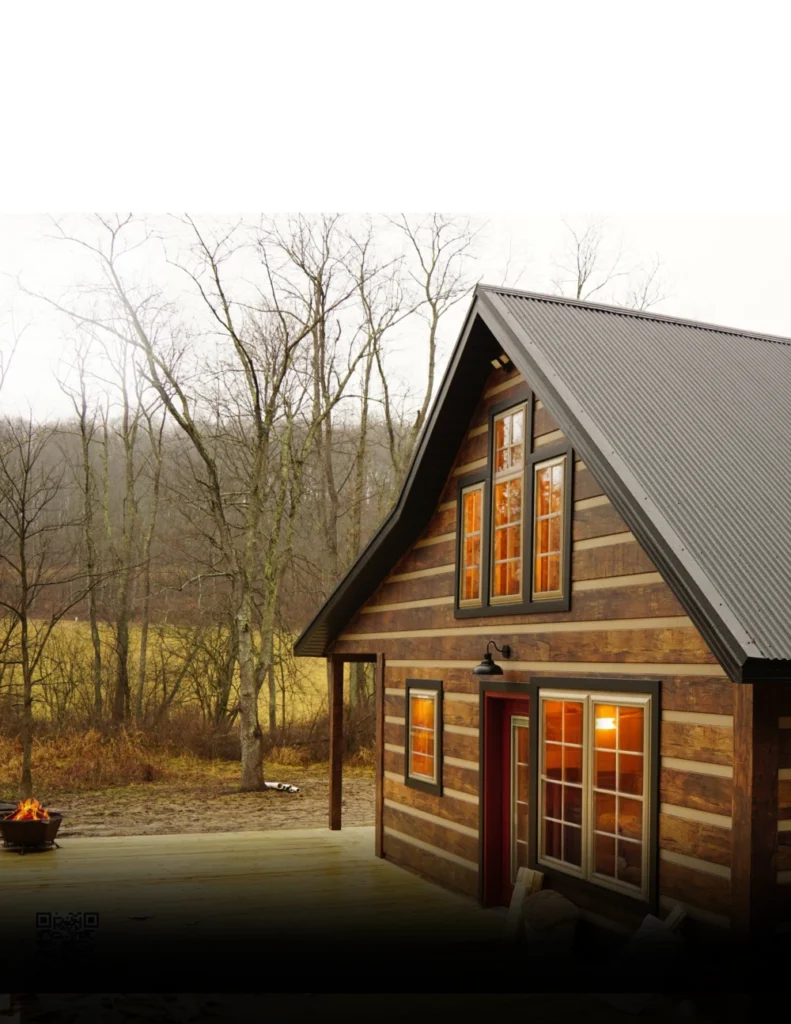
You dreamed about building a log cabin home long before you started the process. Maybe you saw a beautiful cabin while on vacation or stumbled upon an amazing article on rustic home design. Either way, those natural logs speak to your inner self. But once you started asking contractors and doing some serious research, everybody warned you about the upkeep. Staining every few years. Battling wood rot. Carpenter bees that make new homes in your walls. Insurance issues if you live in a fire territory. Suddenly, that relaxing cabin in the woods doesn’t sound so relaxing.
Here’s the secret that not many contractors will share. You can have your dream cabin without all the maintenance responsibilities. Technological advancements have created quality log siding options that give your home the real wood look you desire without the drawbacks of real wood. The problem is that too many manufacturers exaggerate their products’ capabilities, and customers aren’t sure what questions to ask before shelling out thousands of dollars.
We’ve been installing siding for over two decades, so we’ve had plenty of time to see what works and what doesn’t. We’ve also encountered every possible maintenance issue our customers could throw at us. This buyer’s guide breaks down what we’ve learned during that time, serving clients on job sites rather than what we read from manufacturer sales pitches.
Maintenance-Free Log Siding is NOT Completely Maintenance Free
First things first: no siding product is ever 100% maintenance-free. If you want your siding to continue looking good, you’ll have to rinse it off with a garden hose every once in a while. But that’s drastically different than spending many weekends staining and sealing.
Wood log siding is a full-time commitment. You’ll be required to restain your home at least every few years. And if you live in an area that gets a lot of sunshine or extreme weather, some homeowners opt to stain every year just to keep the finish from deteriorating. Plus, you’ll need to seal all joints, periodically add more chalk to seams as logs shift/settle, treat for insects, check for water/rot damage, etc. Just for reference, industry experts like The Woodworkers Shoppe recommend restaining every 3-5 years, depending on your climate, so whatever material you choose, you’ll need a plan for upkeep.
When we refer to maintenance-free log siding, we mean YOU shouldn’t have to: Paint, Stain, Seal, or perform Structural repairs.
Ideally, you don’t have to worry about insects, rot, mold, or UV damage either. Quality materials won’t fade, chalk, crack, or peel for decades. Unless otherwise stated, expect to maintain your siding sometime down the road, and if the salesman tries to tell you otherwise, walk away.
Your Main Options and Why Many of Them Fail to Deliver
Walk into your local home improvement mega-store and ask about building a log cabin. Chances are you’ll hear about four options: real wood logs, vinyl logs, concrete logs, and steel logs. It sounds like you have plenty of choices until you start digging into each and realize there are pros and cons to every material.
Here’s the truth about each main option we hear about most often.
Real Wood Log Siding
There’s nothing that can replace real wood log siding when it comes to overall authenticity. If you run your hand along the surface, smell the natural wood scent, or take in the deep, rich texture, you’ll know why so many customers want real wood. The most common species used today are cedar and pine. But as we’ve already discussed, real wood comes with a hefty maintenance package. Rain, insects, sun, and general climate will continue to damage your siding over the years. Yeah, we’ve worked with owners who spent more time maintaining their home’s exterior than enjoying it. Real wood can be enjoyable if you love the process of staining and sealing every year. Most people find out they don’t have the desire or time to commit like that.
Vinyl Log Siding
The biggest thing we hear from vinyl siding customers is how inexpensive it is. Budget-minded homeowners love that you can purchase vinyl siding for as little as three to five dollars a square foot at your local big box retail store. It will also never rot or need painting, which is a huge plus. However, it isn’t without its downsides either. Vinyl becomes brittle at extremely low temperatures, which can cause cracks that wouldn’t occur in other materials. Hailstorms in Colorado and Texas kick a lot of siding to the curb every year because it’s made of plastic. Hot summers will cause vinyl to expand, warping and buckling the panels. You also can’t change the color because it’s baked on. So when the sun fades that nice, rich brown color on the South side of your home, you’re stuck replacing every panel. Lastly, it just looks like plastic. Most companies do a decent job disguising the fake wood texture, but homeowners with a trained eye can spot vinyl from a block away. If you don’t care about maintenance, enjoy painting, and are looking to save a buck…go vinyl. But for most people looking for low maintenance, it’s not realistic.
Concrete Log Siding
Also known as fiber cement or GFRC siding, concrete logs have been a go-to for many homeowners over the years. Brands have created a great product that many contractors get satisfactory results with. It will not burn, rot, or attract insects. The texture looks great and closely resembles real wood siding. The biggest downsides to concrete siding are weight and cost. A 12-foot section can weigh 40-70lbs, so you’ll definitely need two people to install it. When running numbers with customers, we always make sure they can physically handle the panels first because your wall structure might be able to handle it, but some homeowners can’t. Pricing is also 8-12 dollars per square foot, not including installation labor. Cutting it is also extremely difficult, which means installers will charge you more to put it on your home. It’s a great product that has worked extremely well for us in the past, but it may not be the best choice for your home.
Steel Log Siding
Steel Log Siding is the new kid on the block when it comes to siding materials, and the one we absolutely fell in love with after seeing the final results of its installation on a home. Modern steel siding like SteelLuxe is made from heavy-gauge galvanized steel combined with a 7-layer coating system that won’t fade, chalk, or corrode for decades. Don’t confuse coating with paint either. Coating refers to the process of layering paint, including a base coat (for corrosion protection), a primer, a topcoat, a print layer (texture + color), and a clear coat (scratch-resistant). The Steeluxe Steel Siding also features foam insulation backing, which adds R-value to your walls while making the siding strong enough for a single person to install it. The foam backing also has sound-dampening qualities that help block out neighborhood noise or weather. When installed correctly, homeowners can expect fire resistance (Class A), impact resistance (Class 4- the highest possible rating), realistic wood grain textures, and 100% zero maintenance. Staining, sealing, painting, or worrying about Mother Nature destroying your new siding should be a thing of the past.
Things to Consider When Purchasing Steel Log Siding
Just because you decide to go with steel siding doesn’t mean you’ll guarantee yourself a great experience long term. Like any industry, different steel siding companies will come and go based on their product quality and how they treat their customers. We decided to launch SteeLuxe to address many of the problems we witnessed from other manufacturers’ products. Whether you choose to work with another company or with us, use this checklist when shopping around.
Gauge of Steel
Steel siding comes in multiple thicknesses referred to as gauge. The lower the gauge of steel, the thicker the steel. Many companies use 29-gauge steel siding, which is roughly 0.38 mm thick. That’s right, some companies opt to use the thinnest steel to cut costs on their product. Sure, you’ll save a few bucks up front, but those savings come at a cost. You’ll notice those panels dent more easily, and any imperfections in your walls show through. When we started manufacturing siding, we opted for 26-gauge steel siding because of its strength, even though it is more expensive. The 26 gauge runs about a .50mm, giving you 25% more steel throughout each panel. You’ll instantly notice the difference when picking up the panels. They’re more durable during shipping, hide wall flaws better, and will stand up to Mother Nature longer than their cheap competitors.
Coating System
Have you ever wondered how vinyl siding stays bright white after years of sun exposure? It’s because they don’t use paint; they’re coated. But how is the coating applied? There are many ways companies cut corners in their coating process that could save you money, but end up costing you down the road. At SteeLuxe, we use a 7-step protective coating process to ensure your siding stands the test of time. Many manufacturers will try to sell you on a 3-5 year warranty. If they’re that confident in their coatings, why don’t they offer 20+ years?! Well, it’s because the cheap coatings begin to fade, chalk, and peel within 10 years. Ask your salesman about what coatings they use. The two top coating manufacturers are Kynar 500 Coating and the Sherwin Williams WeatherXL Coating. Note: coating doesn’t just mean paint. It consists of many layers that work together to help your siding withstand whatever you throw at it. These layers include a base coat that protects the steel from corrosion. A primer layer, a topcoat, a print layer (texture + color), and a clear coat that protects it from scratches.
Foam Backing
Here at SteeLuxe, all our siding comes with foam backing, not an extra add-on like some companies offer. But many other companies will offer it as an add-on upgrade to your purchase. Foam backing not only adds insulation value to your walls (R 3–R 4), but also makes the panels rigid enough for single-installer handling. The foam also provides sound dampening and acts as a cushion when something tries to penetrate your siding (think baseballs or tree branches). Additionally, panels without foam backing are prone to “oil can,” which causes metal siding to develop a wave-like appearance.
Slide Lock System
In the steel siding world, there are two types of locking systems. The old way and the SteeLuxe Way. Traditional overlapping panel systems will work if aligned properly, but can shift and move over time, creating uneven sight lines. Our Slide Lock technology creates a mechanical connection between panels that stay tight, look straighter, and resist wind uplift. Ask your contractor how the panels lock. If they say “slide” or use some wordplay, run!
Appearance Matters
The whole point of any wood-looking product is to mimic real wood as closely as possible. Some steel siding looks cheap and plastic, while others fake the wood texture so well, you have to touch it to realize it’s not real. At SteeLuxe, we take extra pride in our appearance options. Not only are we the only manufacturer to offer both a chinking profile (the concrete typically seen between each log) and a hand-hewn timber look. We have spent endless hours getting our knots, texture, and colors just right.
Real Cost of Ownership
When people get quotes from contractors, they usually look at up front material cost. Personally, we like to dive deeper into the true cost of ownership throughout the product’s life. Keep reading, and you’ll see why.
Let’s say you own a 2,000 sq ft home with log siding. With proper maintenance, wood siding may cost less, but industry standards show annual maintenance costs of around $1,350. Let’s say you spend $3,000 every other year to stain, seal, and do minor repairs. Over the course of 20 years, you’ve spent close to $27,000 on maintenance alone. And what about that wood siding you wanted so badly? Depending on your climate and how well you maintain your home, you may need to replace the entire exterior every 30-50 years.
Vinyl is nice because it’s cheap, but ask anyone who has hail damage how much a panel costs to replace. Or better yet, your insurance premiums may go up in storm-prone areas if you have vinyl siding. Chances are, they won’t even cover hail damage. And just like wood siding, you’re probably replacing every piece in 20-30 years because the colors never match and you’re sick of that fake wood look.
Steel log siding costs a little more upfront, but it should last 40-60+ years with absolutely no maintenance required. That adds up to massive savings when you factor in lost time from staining/sealing rotting wood, improves your insurance rates, and actually looks amazing for the life of your home.